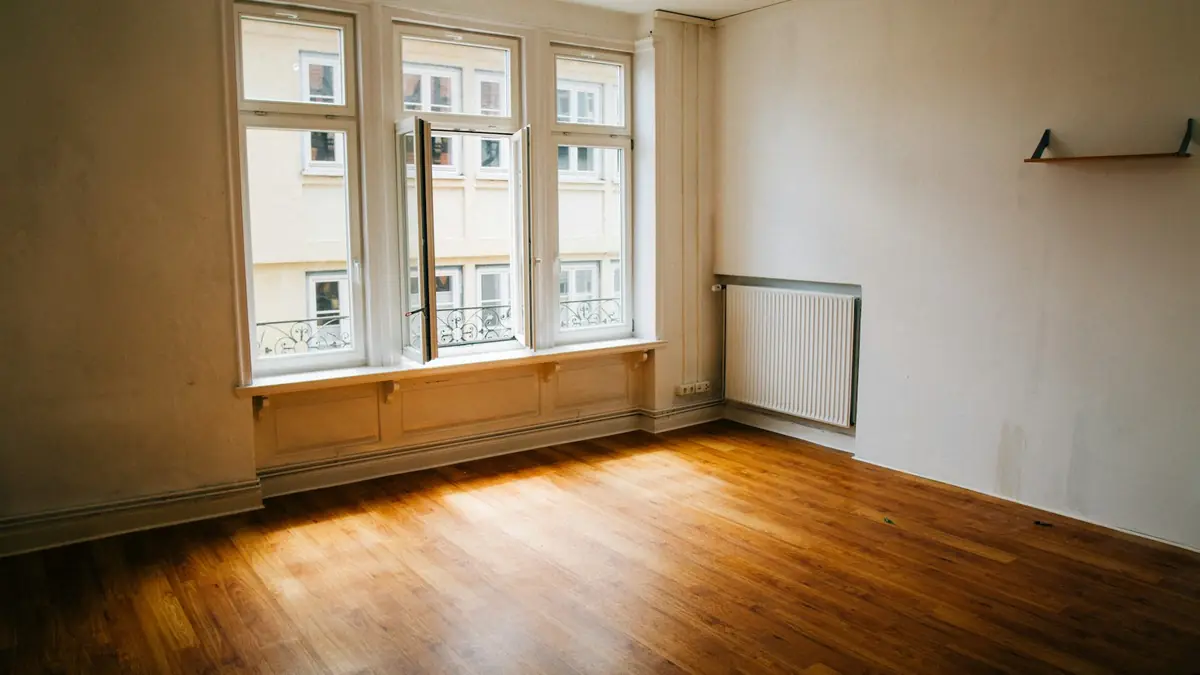
End of lease cleaning
The last job before the keys go back. A full clean of the empty property, worked through room by room against what the agent checks at the final inspection. Quality and value always.
What the final inspection is really about
When you move out of a rental in NSW, the agent or owner walks through the property with the condition report that was filled in when you moved in, and compares the two. The bond is refunded in full if nothing is claimed, and cleaning is one of the things that can be claimed against it.
The condition report is filled in at the beginning and the end of a tenancy, usually with time-stamped photographs, and it is the evidence of how the property was before you moved in. That report, not anyone's opinion on the day, is the yardstick the clean is measured against.
An end of lease clean is therefore a different job from a weekly clean. Nobody lives there any more, so every cupboard is opened, every track is cleared and every surface is done, including the ones a regular clean never gets to: inside the oven, on top of the cupboards, behind the fridge space, the window tracks and the skirting boards.

What the final inspection is checking
The person inspecting the property at the end of a tenancy is not looking for ‘clean enough’. They are comparing every room against the condition report and photographs from the day you moved in, and anything that falls short goes on a list. Here is how it works from their side of the clipboard.
1. The benchmark is the day you moved in
The condition report completed at the start of the tenancy, with its photographs, is the reference for the whole inspection. The property has to go back in that condition, with normal wear from everyday living allowed for. If the oven, the shower screen and the window tracks were clean on day one, they have to be clean on the last day. Nothing else counts.
2. Cleaning is the easiest thing to document
A photo of a greasy rangehood filter, a dirty window track or a toilet base is hard to argue with, which is why cleaning shortfalls are written up so readily. The cost of bringing the property back to standard can be claimed against the bond, and once a claim is lodged the refund is delayed while it is sorted out. Every week that drags on is a week without your bond.
3. Agents look where tenants do not
An inspection is methodical. Every cupboard and drawer is opened. The oven door is opened and the racks pulled out. A finger goes along the window tracks and the tops of the overhead cupboards. The exhaust fan covers, light fittings, skirting boards and the floor behind where the fridge stood are all looked at, because that is where a quick clean stops and a proper one keeps going.
4. A tidy-looking property is not a clean one
Most do-it-yourself bond cleans stop at wiped benches and vacuumed floors, and that is exactly where the list starts. The slow jobs are the ones that fail: baked-on grease, soap scum and scale on glass, mould in silicone, grit in tracks, dust on every horizontal edge. They take hours, the right products and more energy than anyone has left on moving day.
5. Pets, smoke and carpets
If you kept a pet with permission, your agreement may require the carpets to be professionally cleaned, and sometimes the property fumigated, before you hand back the keys. The agent will ask for the receipt, so keep it. Pet hair in the carpet pile and lingering smoke or cooking odours are noticed the moment the door opens.
6. Repairs are not cleaning
Marks that spot cleaning removes are cleaning. Holes, burns, broken fittings and damaged floors are repairs, and the agent assesses them separately. Sort out repairs before the clean so that the inspection is only about whether the property is clean, and the answer is yes.
Where a professional end of lease clean comes in
A clean done to the same checklist the inspection uses, with the right equipment and the time to do the slow jobs properly, is the difference between an inspection that takes ten minutes and one that ends with a list and a claim. Peter works through the property the way the agent does: room by room, cupboards open, tracks and fittings included, oven first. Quality and value always.
Room-by-room end of lease checklist
This is the list a thorough bond clean works through. Use it to check the property yourself, or to see what you are getting when you book.
1Kitchen
- Oven cleaned inside and out, including racks, trays and the glass door
- Cooktop, grill and knobs degreased
- Rangehood cleaned, filters degreased or replaced
- Inside and outside of all cupboards and drawers, plus the tops of overhead cupboards
- Benchtops, splashback and sink, including taps, plug and drain
- Dishwasher door, seals and filter; microwave inside and out if supplied
- Fridge space swept and mopped, including the wall behind
- Grease marks removed from walls and door frames
- Floor vacuumed and mopped, including under the oven if it slides out
2Bathrooms and toilets
- Shower screen, tiles and grout descaled and scrubbed
- Soap scum and mould removed from silicone and corners
- Bath, basin, vanity and taps cleaned and polished
- Toilet inside and out, including the base, seat hinges, cistern and behind
- Mirrors, cabinets inside and out, towel rails and fittings
- Exhaust fan cover removed and cleaned
- Drains cleared of hair, floor vacuumed and mopped
3Bedrooms
- Built-in wardrobes cleaned inside and out: shelves, rails, tracks and mirror doors
- Walls spot cleaned for marks and scuffs
- Skirting boards, door frames and doors wiped, including the tops of doors
- Light fittings, switches and power points cleaned
- Window glass, sills and tracks cleaned inside
- Carpet vacuumed to the edges, hard floors mopped
4Living, dining, hallway and entry
- Cobwebs removed from ceilings, cornices and corners
- Walls spot cleaned, skirting boards and architraves wiped
- Light fittings, ceiling fans, switches and power points
- Window glass, sills, tracks and fly screens inside
- Front door inside and out, door handles and intercom
- Cupboards and storage inside and out
- Floors vacuumed and mopped edge to edge
5Laundry
- Tub, taps and cabinet inside and out
- Washing machine and dryer wiped if supplied, lint filter emptied
- Behind and under appliances where they move
- Walls, skirting boards and exhaust fan
- Floor vacuumed and mopped
6Outdoor, garage and balcony
- Balcony or courtyard swept and washed, railings and glass wiped
- Garage swept, cobwebs removed, oil stains treated
- Rubbish, bins and anything left behind removed
- Outdoor light fittings and the letterbox
- Lawns, gardens and pools are the tenant's to deal with separately
7Usually quoted separately
- Carpet steam cleaning
- Exterior windows and high glass
- Blinds, curtains and shutters
- Full wall washing, as opposed to spot cleaning
- Inside the fridge or dishwasher if they are staying
- Air conditioner filters
- Heavy mould treatment
- Rubbish and furniture removal
Ask for any of these when you enquire and they will be included in the quote.
8Before the keys go back
- Walk through with this list and the ingoing condition report
- Take your own time-stamped photos of every room, cupboards open
- Attend the final inspection if you can
- Keep the agent's outgoing condition report
Why bond cleans fail inspection
Cleaning claims are usually not about the obvious things. The floors are mopped and the benches wiped, and the agent still finds a list. These are the spots that get missed most often, by tenants doing it themselves and by cleaners who are in a hurry.
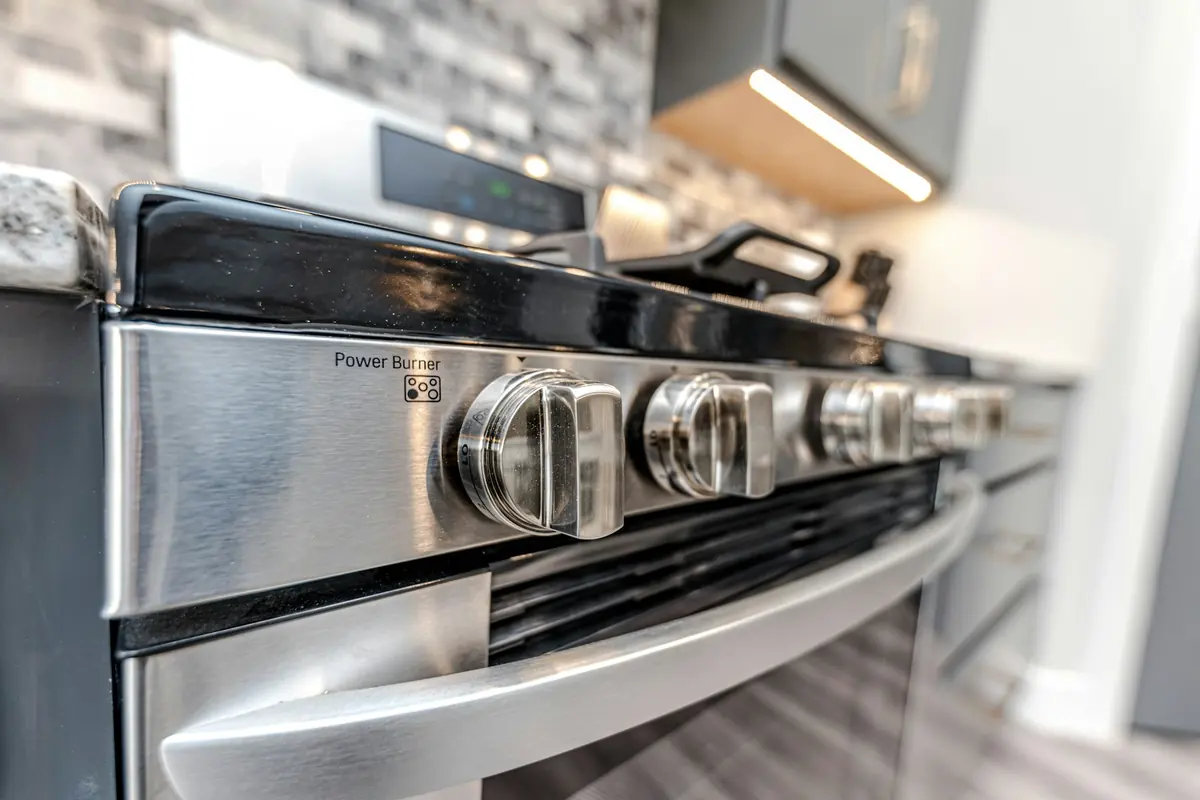
1. The oven and rangehood
Baked-on grease inside the oven, on the racks and on the glass door, and the grease in the rangehood filters, are the first things most agents check. Both are slow to do properly and nearly impossible to do well at the end of a long moving day.
2. Window tracks and sills
The glass gets cleaned; the tracks underneath are full of grit, dead insects and black mould. Agents run a finger along them.
3. Skirting boards, door tops and architraves
Dust settles on every horizontal edge. Skirting boards along a whole hallway and the top edge of every door are tedious, and they are the first thing you see when the room is empty.
4. Light fittings, ceiling fans and exhaust fans
Dead insects in the light shade, a ring of dust on each fan blade and a grey exhaust fan cover are all visible from the doorway of an empty room.
5. Inside cupboards and drawers, and on top of them
Crumbs in the cutlery drawer, sticky rings on pantry shelves and a layer of greasy dust on top of the overhead cupboards. Every door gets opened at an inspection.
6. Marks on the walls
Scuffs behind where the bed was, grease above the stove, fingerprints around switches and the shadow where a picture hung. Spot cleaning handles most of it. Full repainting or filling holes is repair, not cleaning, and is a separate conversation with the agent.
7. Shower screens, grout and silicone
Soap scum turns a glass screen cloudy and hard water leaves scale on the frame. Mould in the silicone and grout lines is the other common bathroom item, and it needs treating, not just wiping.
8. The toilet, all of it
The bowl is cleaned. The base, the floor around it, the seat hinges, the back of the cistern and the wall behind are the parts that are not.
9. Behind and under appliances
When the fridge and washing machine go, the floor and wall behind them are revealed for the first time in years. The same goes for the gap beside the oven.
10. Balconies, garages and the things left behind
Leaves and cobwebs on the balcony, oil on the garage floor, a half-empty bottle of detergent in the laundry cupboard and a bag of rubbish by the bin. Anything left behind can be charged for as removal.
11. Carpets
Stains, pet hair in the pile and, where your agreement requires it, no steam-cleaning receipt. If you kept a pet, expect to be asked for one.
12. Smells
Pets, smoke and cooking odours linger in carpet, curtains and cupboards. A property that smells unlived-in reads as clean before the agent has looked at anything.
The honest answer
Most failed bond cleans come down to time. These jobs are not hard; they are slow, and they are done last, when everyone is tired. Booking the clean for after the removalists have gone, with power and water still connected, gives it the time it needs.
How to prepare for an end of lease clean
A bond clean goes best when the property is completely empty, the utilities are still on and the cleaner has a clear run at it. Here is how to set it up.
One to two weeks before
- Book the clean for after your moving day, not the same day. A property full of boxes cannot be cleaned.
- Find your ingoing condition report and photos. That is what the agent will compare against.
- Check your agreement for any cleaning conditions, especially if you kept a pet. If carpet cleaning or fumigation is required, book it and keep the receipt for the agent.
- If a carpet steam clean is genuinely required, or you want one anyway, arrange it for after the main clean so the carpets are not walked on wet.
- Arrange rubbish removal for anything that will not move with you. Council clean-up collections need to be booked ahead, so do not leave it to the last day.
The day before
- Keep electricity and water connected until the day after the clean. The oven, hot water and vacuum all need power, and nothing can be washed without water.
- Empty every cupboard, drawer, wardrobe and shelf, including the laundry and the garage.
- Leave fixtures and fittings as they were when you moved in, unless the agent has asked for something different in writing.
- Deal with repairs separately. Filling holes, touching up paint and replacing blown bulbs are not part of a clean.
- Defrost the fridge if it is staying and you want the inside cleaned.
On the day
- Arrange access: hand over keys, leave them in a lockbox or be there to open up.
- Leave the agent's outgoing checklist if they have given you one, so the clean can follow it.
- Point out anything you are worried about, such as a stained carpet, a marked wall or a mouldy ceiling.
- Keep pets away from the property for the day.
Afterwards
- Walk through with the checklist and take your own time-stamped photographs of every room, with cupboards open.
- Attend the final inspection if you can, and ask for a copy of the outgoing condition report.
- Return all keys, remotes and swipe cards. The cost of replacing missing keys and locks can be claimed against the bond as well.
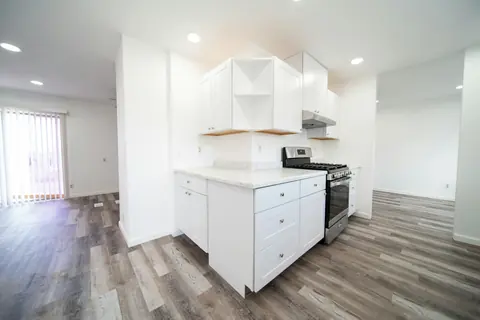
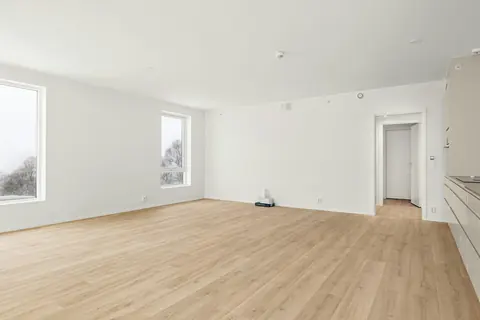
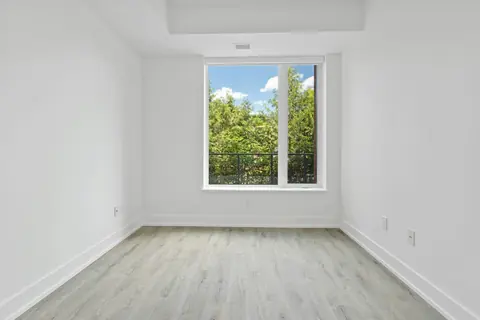
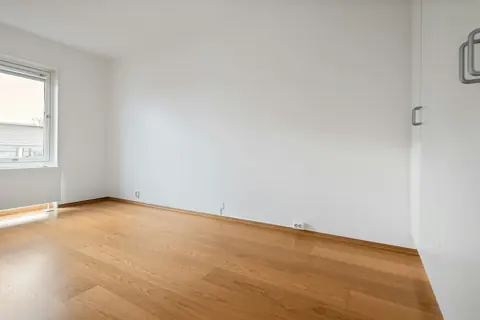
Empty, clean and ready to hand back
End of lease questions
Do I need a professional clean to get my bond back?
The property has to go back to the standard recorded in the condition report from the day you moved in, and the agent checks it room by room, cupboards open. How you get it there is up to you. Most people who book a professional clean do it because the inspection list is long, the slow jobs are the ones that fail, and a cleaning claim delays the whole bond. See what the final inspection is checking.
Does the property need to be empty?
Yes, as empty as possible. Floors, walls, cupboards and the spaces behind appliances cannot be cleaned around furniture and boxes. Book the clean for after the removalists.
Do the power and water need to be on?
Yes. Keep both connected until the day after the clean. Without power there is no oven cleaning, no hot water and no vacuuming.
Is carpet steam cleaning included?
Carpets are vacuumed as part of the clean. Steam cleaning is a separate job and is quoted separately. If your agreement requires it, which is common where a pet was kept, ask for it when you enquire and keep the receipt for the agent.
What about marks on the walls, holes and damage?
Scuffs and marks are spot cleaned as part of the job. Filling holes, repainting and repairing damage are not cleaning and are assessed separately. Normal wear from everyday living is allowed for; damage is not.
How long does an end of lease clean take?
Longer than people expect, because every cupboard, track and fitting is done. It depends on the size of the property and the state of the oven and bathrooms. Give Peter the number of bedrooms and bathrooms, whether there is a garage or balcony, and an honest description of the condition, and he will give you an estimate before the clean.
What if the agent finds something after the clean?
Contact Peter as soon as you have the agent's list, with their photos if they sent any, so it can be looked at straight away. Keep a copy of the outgoing condition report and your own photographs from after the clean.
Moving out? Book the clean early.
Send the address, the number of bedrooms and bathrooms, and the date the keys go back.